
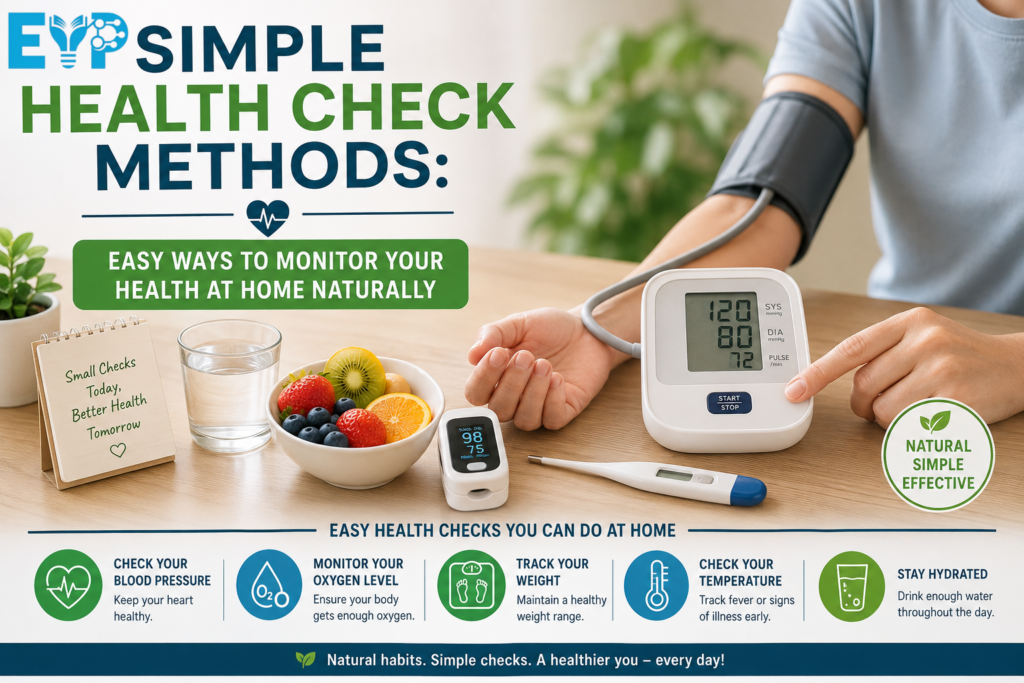
Your body rarely stays silent. It speaks through energy shifts, sleep changes, digestion patterns, and even mood swings. The problem is most people only notice these signals when they become loud enough to interrupt daily life.
That’s exactly where Simple Health Check Methods step in. They give you a practical way to understand your body without overcomplicating things. No lab coats, no panic, just awareness. This is the foundation of Preventive Healthcare, where small daily observations help you stay ahead of bigger health issues.
Think of it like checking your car dashboard. You don’t wait for the engine to fail before looking at the warning lights. Your body works the same way.
What Are Simple Health Check Methods?
Simple Health Check Methods are everyday habits that help you observe your body’s condition at home. They fall under Home Health Monitoring and focus on signals your body already produces naturally.
You’re not diagnosing anything here. You’re building Health Awareness. That shift matters. Because once you know your normal patterns, anything unusual stands out quickly.
These methods often include checking your Resting Heart Rate, hydration, sleep quality, digestion, breathing, and emotional balance. Together, they form a simple but powerful Daily Health Tracking system.
Instead of reacting to illness, you start practicing Proactive Health Management. That alone changes how you experience wellness.
Why Early Detection Through Home Health Checks Matters
Most health issues don’t show up suddenly. They build slowly through small changes less energy, poorer sleep, mild headaches, or changes in appetite.
This is where Early Symptom Detection becomes important. When you practice regular Home Health Checks, you notice those changes earlier. That doesn’t mean you panic. It means you adjust.
For example, if your Morning Energy drops for a week, or your Sleep Quality worsens, your body is signaling something. It could be stress, diet, or even dehydration.
The goal isn’t fear. It’s awareness. And awareness leads to better Healthy Lifestyle Changes before things escalate.
Understanding Your Personal Health Baseline
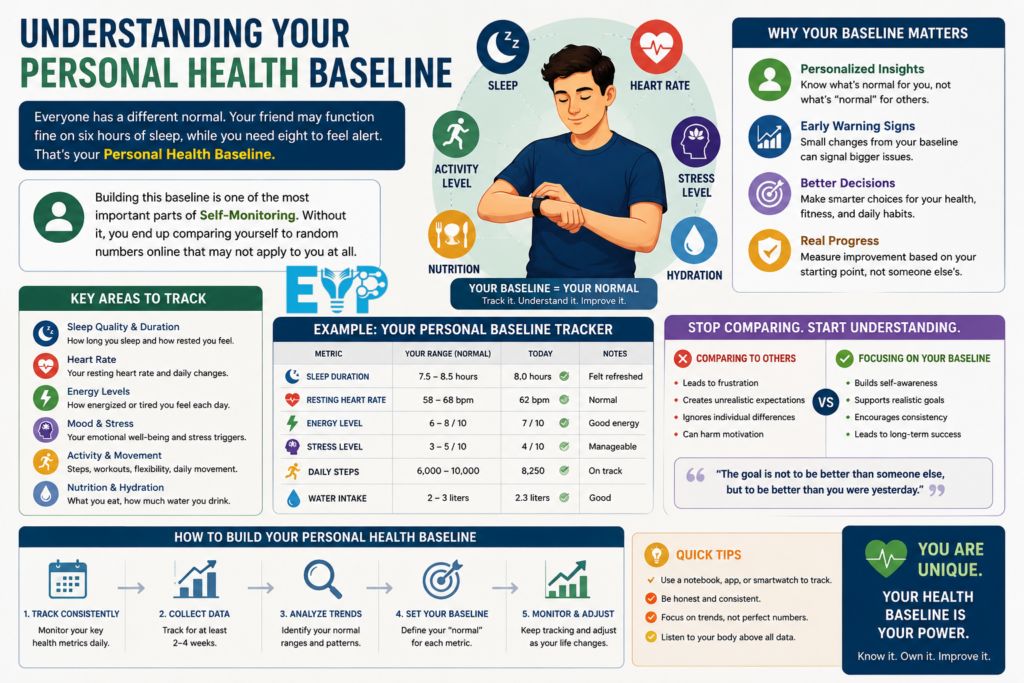
Everyone has a different normal. Your friend may function fine on six hours of sleep, while you need eight to feel alert. That’s your Personal Health Baseline.
Building this baseline is one of the most important parts of Self-Monitoring. Without it, you end up comparing yourself to random numbers online that may not apply to you at all.
Your baseline includes your normal energy level, Resting Pulse, digestion habits, mood, and sleep cycle. Once you understand it, even small changes become meaningful signals.
Over time, this builds a strong sense of Health Awareness Habits and improves your long-term Physical and Mental Wellness.
Resting Heart Rate and Cardiovascular Health
Your Resting Heart Rate is one of the simplest indicators of Cardiovascular Health. It shows how efficiently your heart works when your body is calm.
A lower, stable rate often suggests better Cardiovascular Fitness, while sudden increases can reflect stress, illness, or lack of sleep.
You can measure it using a Wrist Pulse Check or Neck Pulse Check. Count your beats per minute (BPM) when you wake up before getting out of bed.
Many people also use a Fitness Tracker or Smartwatch for continuous monitoring.
What matters most is not a single number but consistency. A sudden change in your Heart Rate Monitoring pattern is what deserves attention.
Blood Pressure Awareness at Home
Blood pressure is often called the Silent Killer, and for good reason. You can feel completely fine while Hypertension develops quietly.
A simple Home Blood Pressure Monitor helps you stay aware of changes in Blood Pressure Awareness without needing clinic visits every time.
The key is consistency. Measure at the same time each day, ideally when your body is relaxed. Avoid coffee or heavy activity before checking.
You’re not looking for perfection. You’re tracking trends in your Cardiovascular Function and overall circulation health.
If readings stay consistently high or low, that’s when Medical Evaluation becomes important.
Tracking Breathing and Respiratory Health
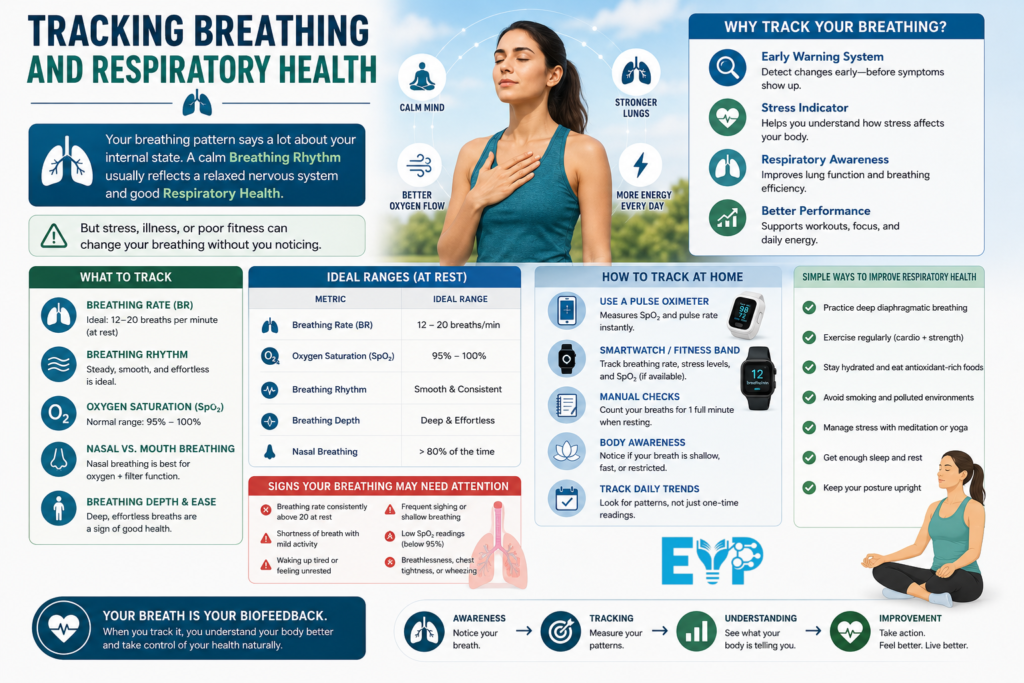
Your breathing pattern says a lot about your internal state. A calm Breathing Rhythm usually reflects a relaxed nervous system and good Respiratory Health.
But stress, illness, or poor fitness can change your breathing without you noticing.
Simple Breathing Observation helps you stay aware. Sit still and notice how many breaths you take per minute. If everyday tasks start causing Shortness of Breath, that’s a signal worth noting.
Other signs like Chest Tightness, wheezing, or persistent cough should never be ignored, especially if they last longer than expected.
Breathing is one of those systems you forget until it becomes difficult. That’s why small checks matter.
Body Temperature and Early Warning Signals
Your body temperature is a quiet but reliable indicator of health. A Digital Thermometer gives you a quick snapshot of internal changes.
A mild rise can point to infection, inflammation, or fatigue. A consistently high temperature may require closer attention.
What matters most is context. A single reading doesn’t define anything. But when combined with symptoms like Fatigue, headaches, or body aches, it becomes meaningful.
Temperature checks are a simple form of Home Wellness Monitoring that support early awareness without overthinking.
Hydration and Fluid Balance
Hydration affects almost everything energy, digestion, focus, and even mood. When your Hydration Levels drop, your body responds quickly.
Signs of Dehydration often include dry mouth, dizziness, low energy, or dark Urine Color. These are early signals, not late warnings.
A simple habit like carrying a Reusable Water Bottle helps maintain Consistent Water Intake throughout the day.
You can also support hydration through Hydrating Foods like fruits and vegetables.
Good hydration improves Brain Function, circulation, and overall Healthy Recovery after physical activity.
Weight Trends and Metabolic Health
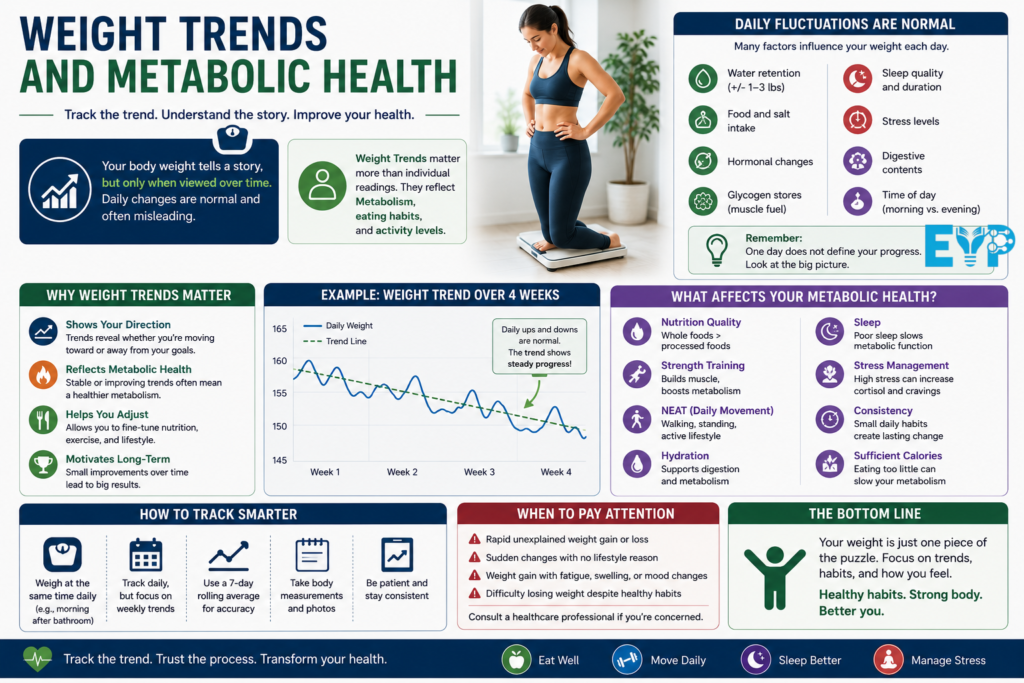
Your body weight tells a story, but only when viewed over time. Daily changes are normal and often misleading.
Weight Trends matter more than individual readings. They reflect your Metabolism, eating habits, and activity levels.
A sudden drop or gain without lifestyle changes may signal something deeper, especially if paired with changes in appetite or energy.
Tools like a simple Scale or waist measurements help track long-term patterns in Healthy Lifestyle Management.
Sleep Quality and Recovery
Sleep is where recovery happens. Without good sleep, everything else starts to break down—energy, mood, focus, even immunity.
Poor Sleep Quality can lead to Brain Fog, irritability, and low stamina during the day.
You don’t just track hours. You track Sleep Hygiene, interruptions, and how refreshed you feel in the morning.
Signs like Morning Headaches, Loud Snoring, or constant fatigue often point to poor Sleep Recovery.
Improving your Sleep Schedule is one of the simplest ways to improve overall health.
Digestive Health and Gut Signals
Your gut is deeply connected to overall health through the Brain-Gut Connection. That’s why changes in digestion often affect energy, mood, and focus.
Healthy digestion feels consistent and comfortable. Irregular Bowel Movements, bloating, or discomfort may signal imbalance.
Issues like Constipation, acid reflux, or food intolerance often reflect dietary habits or stress levels.
Tracking Digestive Health helps you understand how your body reacts to food, lifestyle, and emotional stress.
Physical Activity, Movement, and Mobility Checks
Your body is built for movement. The moment activity drops for too long, your health indicators start shifting in subtle but noticeable ways. That’s why Physical Activity is one of the most underrated parts of Simple Health Check Methods.
You don’t need intense workouts to track this. Even your daily movement tells a story. How easily you walk, stretch, climb stairs, or recover after activity all reflect your Cardiovascular Fitness, joint health, and overall stamina.
The goal here isn’t performance. It’s awareness. When you pay attention to movement patterns, you start noticing early signs of fatigue, stiffness, or reduced flexibility before they turn into bigger problems.
Why Movement Reflects Overall Health
Movement is directly linked to your energy systems, circulation, and muscle function. When everything is working well, your body feels light, responsive, and stable during daily tasks.
But when something is off, you might notice:
- Slower recovery after walking
- Mild Joint Discomfort
- Tight muscles or Muscle Tension
- Reduced motivation to move
- Feeling unusually heavy or sluggish
These changes often appear long before serious symptoms develop.
This is why health experts see movement as a key marker in Health Condition Monitoring. It reflects both physical and mental well-being at the same time.
Simple Mobility Checks You Can Do at Home
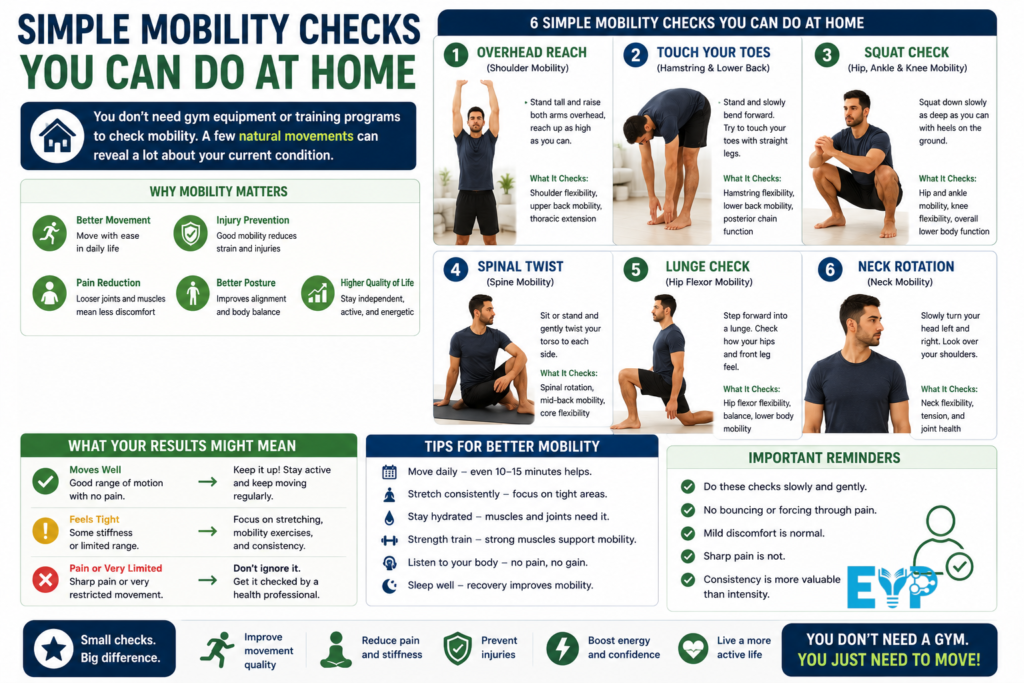
You don’t need gym equipment or training programs to check mobility. A few natural movements can reveal a lot about your current condition.
Try observing how your body responds to:
- Standing up from a chair without support
- Climbing stairs at a normal pace
- Reaching your arms overhead
- Bending down to pick something up
- Walking for 10–15 minutes without discomfort
If these movements feel smooth, your Joint Comfort and muscle function are likely in a healthy range.
But if you notice stiffness, imbalance, or unusual effort, your body may be signaling early fatigue, lack of activity, or underlying Inflammation.
The Role of Daily Walking in Health Awareness
One of the simplest yet most powerful habits for Natural Health Monitoring is Daily Walking.
Walking improves circulation, supports Healthy Digestion, and helps regulate mood. It also gives you a real-time feedback loop about your energy and endurance.
If walking feels harder than usual, or if you notice Shortness of Breath during light activity, it may be worth paying attention to your overall health patterns.
Even a 10-minute walk outdoors can reveal how your body is functioning on a given day. Some days feel light and easy. Other days feel heavy and slow. That difference is important data.
Strength, Flexibility, and Aging Clues
Strength and flexibility naturally decline with age, but lifestyle plays a much bigger role than most people think.
When you maintain regular movement and light Strength Training, your muscles stay active, your joints stay flexible, and your posture improves.
But when activity drops, you may start noticing:
- Tight hips or lower back stiffness
- Reduced range of motion
- Slower reflexes
- Increased fatigue during small tasks
These changes are not just fitness-related. They reflect your overall Healthy Lifestyle Management.
Even simple Stretching for 5–10 minutes a day can improve circulation and reduce stiffness over time.
Emotional Connection to Physical Movement
Movement isn’t just physical it’s emotional too. When stress increases, your body often becomes tense and less willing to move.
High stress levels can lead to Muscle Tension, reduced motivation, and a general feeling of heaviness. This is part of the Mind-Body Connection that many people overlook.
On the other hand, regular movement improves mood, reduces anxiety, and supports Mental Recovery.
This is why even light activity like stretching or walking outdoors is often recommended as part of Stress Reduction routines.
When Movement Changes Become a Warning Sign
Occasional stiffness or tiredness is normal. But consistent changes in mobility can signal deeper issues.
Pay attention if you experience:
- Ongoing difficulty with basic movement
- Sudden loss of strength
- Frequent imbalance or dizziness
- Persistent Muscle Discomfort
- Reduced ability to perform daily tasks
These signs may point to fatigue, nutritional gaps, or other underlying conditions that require Professional Medical Guidance.
The key is not to panic—but to observe patterns. Your body rarely changes without reason.
How to Combine Movement With Daily Health Tracking
The best approach is to integrate movement into your Daily Health Tracking routine.
Instead of treating exercise as a separate task, observe how your body feels before and after activity. This gives you real-time insight into your energy levels, recovery ability, and overall Physical Well-Being.
You can also combine movement tracking with:
- Sleep quality observations
- Hydration levels
- Energy patterns
- Mood changes
When viewed together, these patterns create a clear picture of your Long-Term Wellness.
Final Insight on Movement Awareness
Movement is one of the most honest health indicators you have. It doesn’t lie, and it doesn’t need interpretation tools. Your body tells you everything through effort, ease, and recovery.
When you stay aware of how you move, you strengthen your Health Awareness Strategy naturally. You stop reacting to problems and start understanding them early.
Skin, Hair, and Nail Health Clues
Your appearance often reflects internal health. Changes in Skin Health, hair texture, or nail strength can reveal nutritional or hormonal shifts.
Persistent dryness, Hair Thinning, or brittle nails may point to Nutritional Deficiencies or stress-related changes.
These are not immediate warning signs, but they offer subtle clues about long-term wellness.
Think of them as external signals from your internal system.
Energy Levels and Daily Function
Energy is one of the most honest health indicators. You feel it immediately when something is off.
Consistently low Energy Levels, sluggish mornings, or afternoon crashes may indicate poor sleep, stress, or nutrition imbalance.
Tracking Daily Stamina helps you identify patterns linked to lifestyle choices.
When energy drops without reason, it often connects to Emotional Fatigue, dehydration, or lack of recovery.
Mental Health and Emotional Self-Check
Your mind and body are connected more than most people realize. Stress, anxiety, and emotional overload directly impact physical health.
A simple Mental Health Self-Check includes observing mood, stress levels, focus, and emotional stability.
Practices like Deep Breathing, journaling, and relaxation help restore balance in the Nervous System.
Ignoring emotional health often leads to Chronic Stress, poor sleep, and fatigue. Awareness is the first step toward recovery.
Daily Health Routine That Actually Works
A simple Daily Health Routine doesn’t need to be complicated. It just needs consistency.
In the morning, check energy levels and hydration. During the day, notice focus, movement, and appetite. At night, reflect on sleep readiness and emotional state.
This kind of Home Wellness Monitoring builds long-term awareness without stress.
Small habits create big results over time.
When Home Health Checks Are Not Enough
Home tracking is powerful, but it has limits. It cannot replace Professional Medical Advice or clinical testing.
If you experience persistent symptoms like Chest Pain, fainting, confusion, or severe fatigue, seek Medical Evaluation immediately.
The goal of self-monitoring is awareness, not diagnosis. Always trust professional guidance when symptoms feel serious.
Frequently Asked Questions (FAQs)
What are the easiest Simple Health Check Methods to do at home?
The easiest Simple Health Check Methods include monitoring your Resting Heart Rate, checking your Blood Pressure, tracking hydration through Urine Color, observing sleep quality, monitoring body weight trends, and paying attention to energy levels and mood changes. These simple habits can provide valuable insight into your overall health.
Can Home Health Checks replace regular doctor visits?
No. Home Health Checks are useful for increasing Health Awareness and supporting Preventive Healthcare, but they cannot replace professional medical evaluations, diagnostic tests, or routine checkups. They work best as a complement to professional healthcare.
How often should I monitor my health at home?
Some aspects of Home Health Monitoring, such as hydration, energy levels, sleep quality, and mood, can be observed daily. Other measurements like blood pressure and body weight may be checked weekly unless your healthcare provider recommends more frequent monitoring.
What is a healthy Resting Heart Rate for adults?
For most adults, a healthy Resting Heart Rate falls between 60 and 100 Beats Per Minute (BPM). Active individuals with strong Cardiovascular Fitness may have lower resting rates. Consistency and long-term trends are often more important than a single reading.
How can I tell if I am dehydrated?
Common signs of Dehydration include Dry Mouth, headaches, fatigue, dizziness, dark urine, and difficulty concentrating. Monitoring your Hydration Levels and maintaining consistent water intake can help prevent dehydration and support overall wellness.
Why is Sleep Quality important for overall health?
Good Sleep Quality supports recovery, immunity, brain function, emotional balance, and physical performance. Poor sleep can contribute to Brain Fog, low energy, mood changes, and reduced productivity. Practicing healthy Sleep Hygiene can improve both physical and mental well-being.
What are the warning signs of poor health that should not be ignored?
Some important Early Warning Signs of Poor Health include persistent fatigue, unexplained weight changes, chronic cough, chest discomfort, frequent dizziness, severe headaches, appetite changes, and ongoing sleep problems. Persistent symptoms should be evaluated by a healthcare professional.
How does digestive health affect overall wellness?
Strong Digestive Health supports nutrient absorption, energy production, immune function, and emotional well-being. Issues such as Bloating, constipation, diarrhea, and acid reflux can sometimes indicate underlying imbalances that deserve attention.
Are fitness trackers accurate for health monitoring?
A Fitness Tracker or Smartwatch can be helpful for tracking activity levels, sleep patterns, and Heart Rate Monitoring. While they are not medical devices, they can provide useful data for Daily Health Tracking and identifying long-term trends.
What tools are useful for Home Health Monitoring?
Some of the most useful tools include a Home Blood Pressure Monitor, Digital Thermometer, Pulse Oximeter, Fitness Tracker, and a reliable scale. These tools help monitor important health indicators from the comfort of your home.
When should I seek medical help instead of self-monitoring?
You should seek Professional Medical Advice if you experience symptoms such as Chest Pain, severe shortness of breath, fainting, confusion, sudden vision problems, high fever, or significant unexplained weight loss. Home monitoring is helpful, but serious symptoms require professional evaluation.
What is the best way to create a Daily Health Routine?
A simple Daily Health Routine can include checking your energy levels in the morning, staying hydrated throughout the day, monitoring sleep quality, maintaining regular physical activity, and paying attention to mood and digestion. Consistency is more important than perfection when building healthy habits.
Conclusion
Simple Health Check Methods give you something powerful: awareness without fear. They help you understand your body, recognize patterns, and make smarter choices every day.
When you combine Home Health Monitoring with healthy habits, good sleep, balanced nutrition, and regular movement, you build a strong foundation for long-term wellness.
You don’t need perfection. You just need attention. Your body already speaks you just learn how to listen.

Muhammad Bilal is an expert blogger specializing in meanings in text, delivering clear, engaging insights that help readers understand modern language, slang, and digital communication trends.